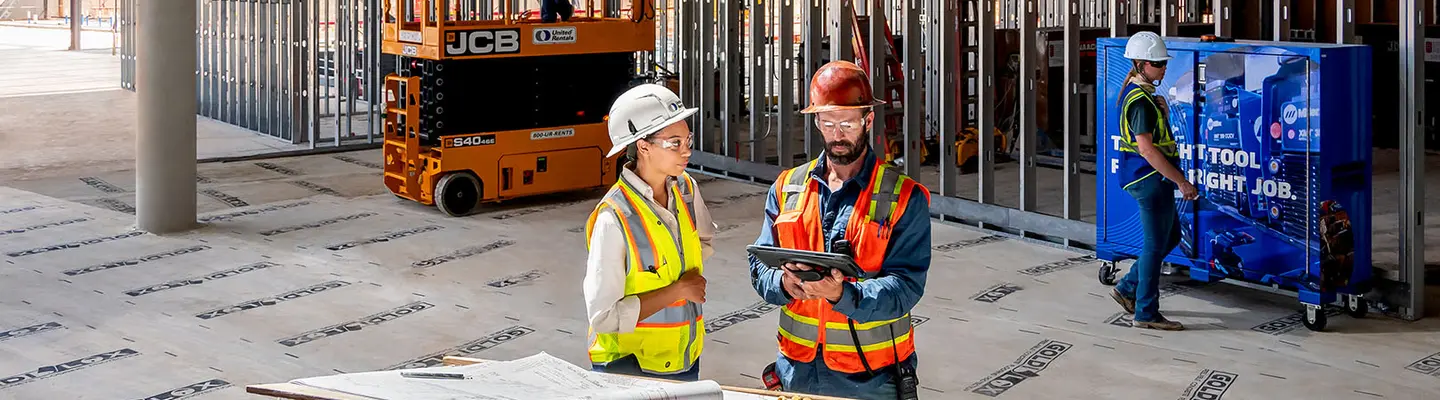
Data from connected equipment helps contractors keep crews and fleets productive.
How does construction telematics improve site efficiency? It provides real-time visibility into where equipment is, how it’s being used and when it needs attention. Location, runtime, utilization, fuel level, fault-code and operating-condition data can help contractors keep crews and equipment productive and projects moving forward on schedule.
A cloud-based fleet management platform such as Total Control® collects and organizes data from connected equipment, turning it into information teams can readily use. Dashboards, maps, reports and customizable alerts make it easier to locate assets, monitor utilization, anticipate maintenance needs, protect equipment and make informed fleet decisions.
Here are seven ways construction telematics can help improve site efficiency.
Construction Telematics Site Efficiency Benefits at a Glance | |
|---|---|
Telematics Capability | How It Improves Site Efficiency |
Location tracking | GPS data pinpoints equipment locations, allowing teams to find assets faster, dispatch the closest available asset and avoid unnecessary equipment moves. |
Utilization tracking | Runtime and utilization data reveal underused or overworked equipment, supporting better scheduling, asset allocation and fleet sizing. |
Idling tracking | Time-stamped idling data and long-idle alerts identify when equipment is running without productive work, giving supervisors an opportunity to address excessive idling. |
Proactive maintenance | Engine hours, fault codes, fluid levels, battery status and service alerts help teams schedule maintenance based on equipment use and address issues before they cause downtime. |
Equipment security | GPS, geofences and time-based alerts provide visibility into equipment movement so managers can flag unauthorized use and respond faster to potential theft or misuse. |
Remote generator monitoring | Remote visibility into generator operating conditions and fuel status can reduce site walks and equipment failures. |
Future fleet planning | Historical utilization data helps contractors forecast equipment needs so projects can run more seamlessly from the start. |
1. Locate equipment faster
Searching for a skid steer, generator, air compressor or other asset that was moved, parked out of sight or transferred to another area wastes crew time. Telematics devices use GPS to provide real-time location data, which fleet management platforms turn into map-based views of connected equipment across one or more jobsites.
Location visibility can reduce “yard scavenger hunts,” help managers dispatch the closest available machine to where it is needed and position equipment for the next day’s tasks so work can start without delay. It’s particularly valuable on large, fast-moving projects, where equipment may change hands or locations multiple times a day. Location intelligence also helps project teams avoid paying to move equipment between jobsites when a suitable asset is nearby.
Fleet management platforms such as Total Control that offer breadcrumb mapping show not only where equipment is but also how it got there. Contractors can use location coordinates to increase logistical efficiency. For instance, they can look at adjusting the jobsite layout to reduce excavator travel distances.
2. Optimize utilization
One of the most important ways construction telematics improves site efficiency is by helping contractors optimize equipment utilization. Understanding how intensively assets are used makes it easier to match the fleet to the work and ensure crews have adequate capacity to stay productive.
In Total Control, on-demand utilization reports show utilization by individual asset, asset class, site or time period. These reports reveal which assets have been underused for extended periods and which are consistently overworked. With the help of utilization data, contractors can:
- Reduce unnecessary equipment on site.
- Reallocate underused machines.
- Add capacity where equipment demand is consistently high.
- Improve equipment scheduling.
- Make data-informed buy-versus-rent decisions.
- Identify opportunities to lower rental and ownership costs.
United Rentals customers can use the Benchmarking Service to identify where their fleet may be underperforming, compare their utilization scores by equipment category against industry benchmarks and create a customized utilization improvement plan.
3. Reduce engine idling
Unnecessary idling occurs when equipment is running for extended periods without performing productive work. Time-stamped idling data helps managers identify when and where excessive idling occurs and coach operators on more efficient equipment use. Long-idle alerts can prompt supervisors to intervene in real time and support the enforcement of idling rules.
Reducing unnecessary idling can help keep equipment available for productive work while lowering fuel use, operating costs and unnecessary wear.
4. Perform more proactive maintenance
Equipment downtime can disrupt sequencing, waste manhours and increase pressure on the project schedule. Heavy equipment telematics helps teams move from reactive repairs to data-informed proactive maintenance.
Connected equipment can provide data such as engine hours, battery status, fuel and diesel exhaust fluid (DEF) levels, fault codes and other operating-condition indicators. Maintenance teams can use this data to schedule service based on actual usage and equipment condition rather than calendar intervals. This condition-based approach can help contractors:
- Reduce unexpected downtime.
- Address small maintenance issues before they become job-stopping failures.
- Avoid under-servicing high-use equipment and over-servicing equipment with limited runtime.
- Extend equipment life.
5. Guard against equipment theft and borrowing
Equipment theft and unauthorized borrowing can leave crews without the equipment they need and create costly project delays. Telematics and fleet management platforms help teams monitor asset movement and respond quickly to security exceptions.
In Total Control, managers can:
- Configure geofences and get notified when equipment enters or leaves a defined area.
- Set time-based rules that flag or restrict after-hours equipment use.
- Use location tracking to help investigate unauthorized movement and potentially locate stolen equipment.
6. Remotely monitor generators
Reliable generator operation is essential to powering the equipment and processes that support daily operations, but manually inspecting each unit pulls personnel away from higher-value work.
Telematics provides remote visibility into generator operating status, engine conditions and fuel levels, helping teams prevent avoidable outages without performing site walks or visiting the site after hours or on weekends. Low-fuel text or email alerts notify teams when fuel levels drop below specified thresholds, enabling timely refueling.
Amp load data indicates whether a generator is appropriately sized for the application. Right-sizing generators can not only reduce fuel consumption but also help prevent wet stacking, which interrupts operation and can occur when a diesel generator runs under a light load for extended periods.
7. Forecast future equipment needs
Telematics data from past projects can help project managers and equipment managers forecast equipment needs for similar projects more accurately.
For example, historical utilization data indicates how productively equipment was used. If four mini-excavators were allocated but utilization was low, contractors can consider reducing the number of units or adjusting the rental timing or duration based on peak demand windows.
Utilization, engine hours and fuel consumption data can help contractors better estimate project costs and create more accurate bids.
Implementing telematics on jobsites
Contractors can begin leveraging telematics by renting equipment with telematics devices already installed, or by activating existing devices in original equipment manufacturer (OEM) equipment, which may require a subscription. Approximately 85% of United Rentals’ mobile fleet is telematics-enabled. United Rentals can add aftermarket telematics devices to customer-owned mobile equipment that lacks telematics or has inactive devices.
Telematics devices generate a continuous stream of equipment data, but data on its own does not improve site efficiency. Its value depends on a fleet management platform’s ability to surface the information teams need to manage by exception and respond quickly when equipment requires attention.
Total Control brings together and standardizes data from owned and rented equipment, including equipment from multiple manufacturers, so teams can manage mixed fleets through a single interface. Useful features include:
- Intuitive dashboards
- Real-time equipment location mapping and movement breadcrumbs
- Customizable alerts and notifications
- On-demand and scheduled reports
- Geofencing
- An estimated emissions calculator
Through application programming interfaces (APIs), Total Control can also share relevant equipment data with third-party tools such as construction management software and maintenance platforms. Automated fleet data sharing can reduce manual data entry and give project teams a more complete, consistent view of equipment and jobsite activity.
In construction, small inefficiencies can add up quickly. Construction telematics gives contractors the visibility needed to help keep machines and crews productive—and the budget and schedule on track.
 Facebook
 X
 Linkedin
 Email
 Print
 Copy Link
 RSS Feed